What better excuse than Groundhog Day to do a double-take? Let’s learn about the cinematic “two-shot” technique and how it can turn your LEGO photography into a dynamic duo. The BrickNerd community is a wonderful mix of international culture, all filtered through the prism of LEGO creativity. I’ve already explored the connection between LEGO products and culture on TV. This time around, I'm going to focus on LEGO photography—specifically, images inspired by a classic cinematic composition: the two-shot. For reference, a two-shot is a type of image in which the frame includes two characters, usually positioned so that both faces are clearly visible. Classic examples include two people in profile, two people facing the camera (side by side or one slightly behind the other), or two characters shown fully in frame as they interact or perform an action. Sometimes the setup can feel a bit staged or unrealistic, but that’s part...
January kicked off with a ton of quality LEGO content from across the community and on BrickNerd. We started the year by exploring two new colors and molds, we took a hard look at the number of molds in production with the new cheese slopes, and we got educated about changes to First LEGO League and the new Build. Solve. Invent sets. We embraced the snow by expanding Hogsmeade and seeing the Northern Lights, and cracked open the Stranger Things Creel House… literally. Dinosaurs stomped through the month as we converted Paris into a fossil, built a true dinosaur jet, and dreamed up some DreamZzz alt builds. Along the way, we travelled to Skaerbaek to learn about space goats, headed to LEGOLAND Windsor to get some lifetime passes, and visited Ninjago to discover the secrets of their 15th anniversary. In fact, we’ve published so many interesting articles in January that we’ve...


There are certain circumstances that lead you to rediscover your own country, especially its capital city. That was the case for me at the beginning of 2025, when I traveled with my wife to Paris to record LEGO Masters France Season 5. Between filming days, I had the chance to spend a lot of time wandering the streets of Paris, reconnecting with its monuments and museums. So when BrickNerd sent me this LEGO Architecture set ahead, all I knew was that it was “related to Paris” and my curiosity was immediately piqued. Opening the box revealed 21064 Paris – City of Love, a release that reinvents the Architecture line by adding some dimension and leaning more heavily into its role as a wall decoration rather than a pure cityscape model. Discovering and Building the Set As usual, I won’t dive into a traditional set review here as many RLFMs already do...


LEGO Education is easy to miss if you are used to browsing retail shelves or following the latest LEGO themes. For decades, LEGO has quietly produced sets designed specifically for schools, often sold through educational channels and rarely marketed to the general public. These kits prioritized exploration and reuse over display, and unless you were an educator, you probably never encountered them. That’s what makes their “Build, Solve, Invent” series so interesting. For the first time, LEGO Education has released a full series of science-based sets specifically designed for kids to learn and play at home. These aren’t curriculum boxes or teacher-only tools. They’re meant to be opened, played with, rebuilt, and experimented on wherever kids (and adults) normally build LEGO. pictured here are the four new lEGO Education sets from the “build, solve, invent” series. Look at those beautiful boxes! As someone who works in education, I was immediately curious...
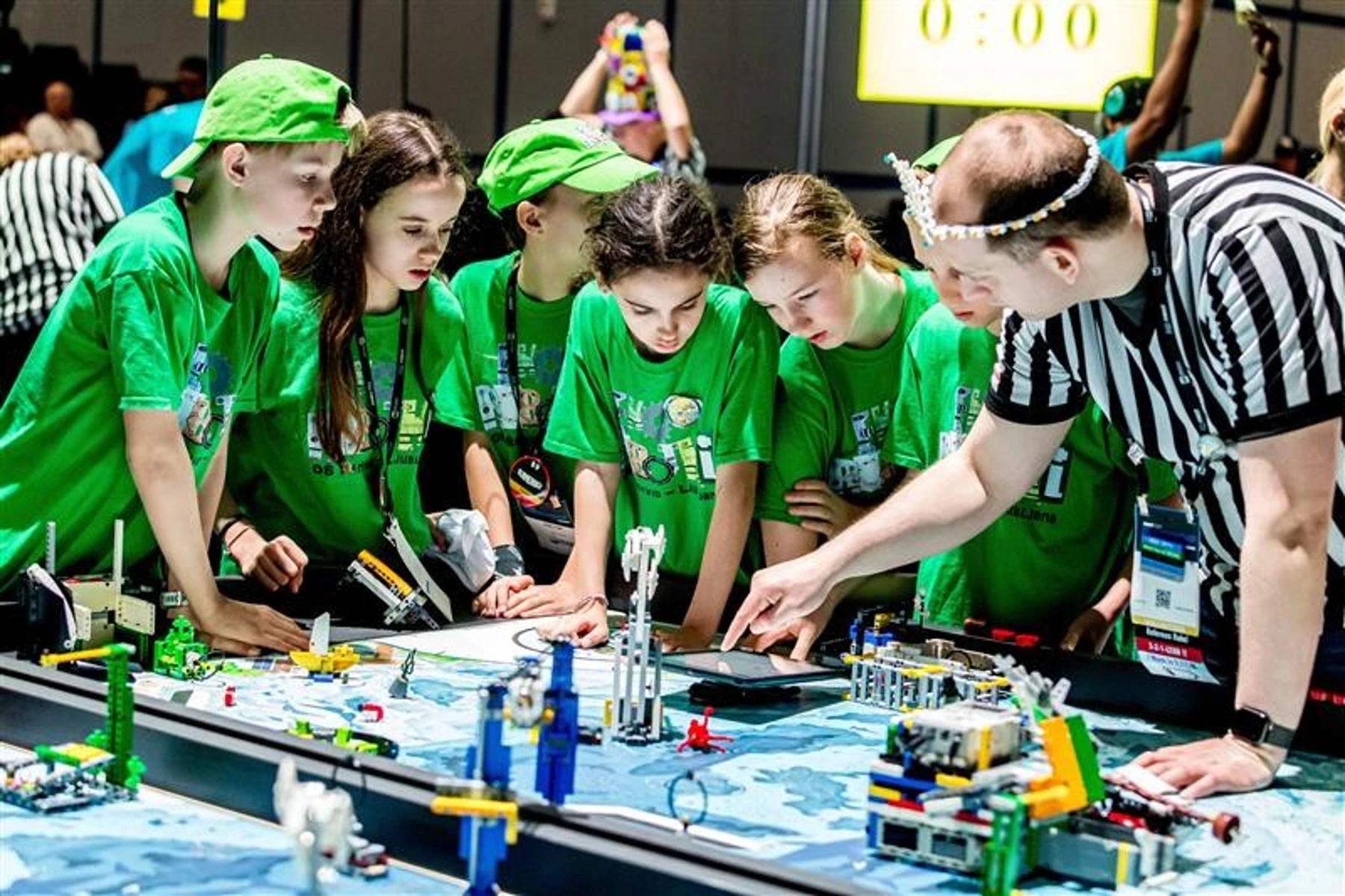
On the morning of January 12th, myself and the rest of the FIRST LEGO League (FLL) community received an email entitled, “Announcing a New Era for FIRST LEGO League.” I didn’t read it at first—the theme of this season has been archaeology, and the word era made it seem like it was about next season. After receiving a few messages, I could tell I’d missed something big, and upon re-reading, it became apparent the email was, as far as children’s competitive robotics leagues go, a bombshell. What followed wasn’t just a platform update but a foundational shift that could fundamentally change who gets to participate in FIRST LEGO League. The announcement outlined major changes to the technology platform used by FLL, with a relatively short timeline for teams to adapt. While change isn’t new to FLL, it’s hard to overstate how disruptive this one feels—especially in a space where progress usually...